
Frontend Engineering
Have backend engineers or Figma designs ready, and need specialist frontend craft? We turn designs and APIs into resilient, fast, maintainable user interfaces.
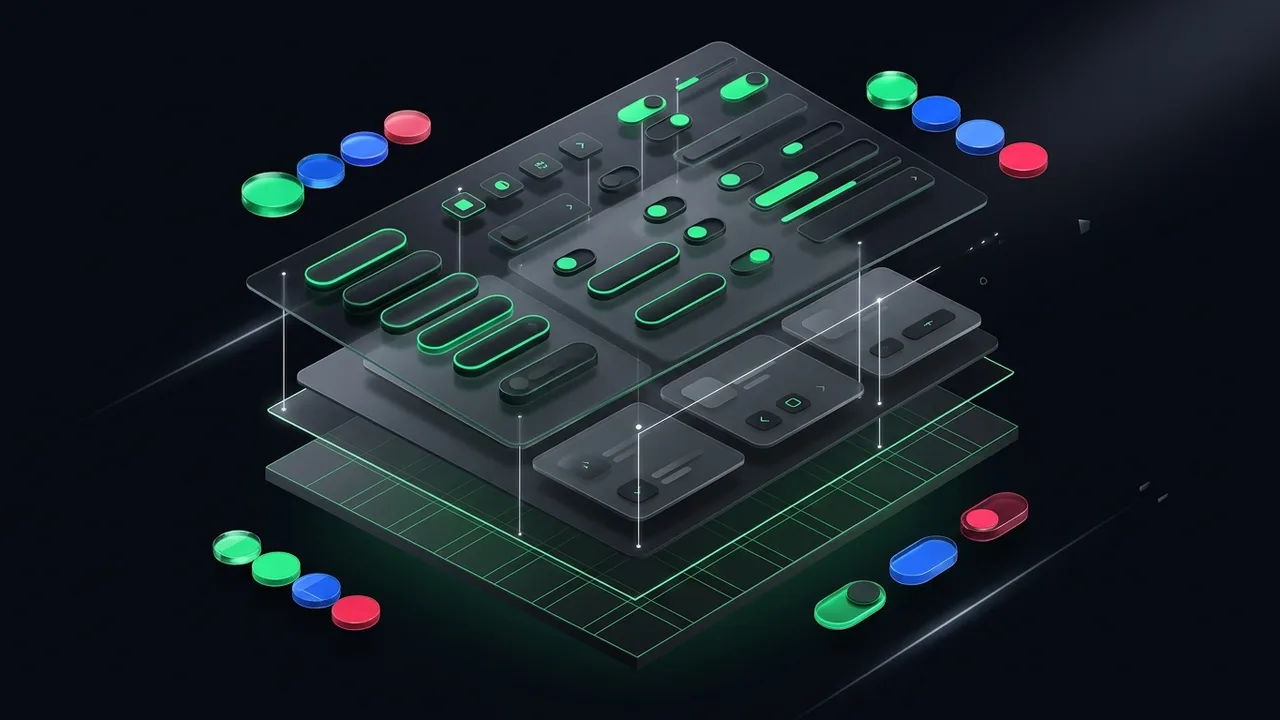
Service Overview
Frontend engineering sits right where user experience meets system complexity. Subtle mistakes in state handling, CSS specificity, hydration boundaries or bundle imports quickly compound into sluggish interfaces and brittle UI bugs.
Faster Pixel works alongside product managers, designers and backend teams to ship clean TypeScript/React components, design systems and static or server-rendered frontends built to strict performance budgets.
Discovery & Planning
We review your existing repository, CI/CD workflow, design files and browser support matrix so our code matches your team’s conventions from the very first commit.
Common Bottlenecks
Problems we help resolve
- Visual drift between Figma designs and what actually ships to production.
- Copy-pasted UI components across repositories with inconsistent props, styling and keyboard behaviour.
- Oversized client-side JavaScript bundles where static or server-rendered HTML would be far faster.
- Fragile CSS overrides causing unintended regressions on unrelated pages.
Practical Scope
What an engagement may include
- Component library implementation with clear TypeScript interfaces, tokenised styling and responsive behaviour.
- Next.js / React architecture setup optimising server versus client component boundaries.
- Accessible interactive primitives (navigation, dialogs, tabs, accordions, forms and tables).
- Bundle budget enforcement, linting, type-safety checks and pull-request workflows.
- Clear component usage documentation for your ongoing internal team.
Exact deliverables, timeline and platform responsibilities are confirmed in writing during project scoping.
Delivery Process
How we deliver Frontend Engineering.
STEP 01
Codebase & Design Token Alignment
Audit repo conventions, define CSS/Tailwind tokens and agree on component API standards.
STEP 02
Primitive & Layout Build
Construct foundational layout grids, typography helpers, buttons, inputs and accessible patterns.
STEP 03
Page Assembly & API Wiring
Compose full views, connect data sources and verify loading, empty and error states.
STEP 04
Code Review, Profiling & Handover
Validate bundle sizes, accessibility and cross-browser rendering before merging cleanly.
Practical Benefits
- High visual fidelity without sacrificing clean HTML or fast load times.
- Reusable UI building blocks that speed up future feature releases.
- Seamless handover into your existing Git workflow.
Key Considerations Before Starting
- Direct collaboration channels with your designer and backend lead keep edge cases resolved in hours rather than weeks.
- Agreeing on supported browsers and device viewports early avoids unnecessary polyfills.
Service FAQs
Common questions about Frontend Engineering.
Can you work inside our existing GitHub or GitLab repository?
Yes. We routinely integrate into client repositories via standard branch protection, pull requests and code reviews.
Do you only use React and Next.js?
React, Next.js, TypeScript and modern CSS/Tailwind are our primary specialisms, alongside clean semantic HTML and vanilla TypeScript where zero-framework weight is the right engineering call.
How do you keep JavaScript bundles small in React projects?
We render content on the server or at build time by default, isolate `"use client"` islands strictly to interactive widgets, avoid heavy utility libraries for simple tasks and inspect bundle output continuously.
Related Services
SRV-04
Web Application Development
Custom browser-based tools, customer portals, calculators and interactive workflows built with maintainable TypeScript architecture.
SRV-06
Core Web Vitals Improvements
Focused engineering for Largest Contentful Paint (LCP), Interaction to Next Paint (INP) and Cumulative Layout Shift (CLS).
SRV-01
Website UI/UX Design
Clear information architecture, accessible interface systems and conversion-focused page layouts engineered to build cleanly.
Helpful Reading from Our Blog
Performance · 6 min read
What Makes a Business Website Feel Fast?
Total page load time only tells half the story. Learn how server response, critical rendering order, font delivery and main-thread headroom shape how fast visitors perceive your website.
Performance · 7 min read
Core Web Vitals Explained for Non-Technical Teams
Confused by LCP, INP and CLS warnings in Google Search Console? Here is a clear, jargon-free translation of what each metric measures and how to plan practical fixes.
Next Step
Discuss Frontend Engineering for your website.
Tell us about your current platform, goals and timeframe. We will respond with practical scoping feedback and recommended next steps.